
Reviewed · DAY TRIPS FROM SEOUL
5-Day Korea Golden route by K-shuttle Tour from Seoul Including Busan, Yeosu
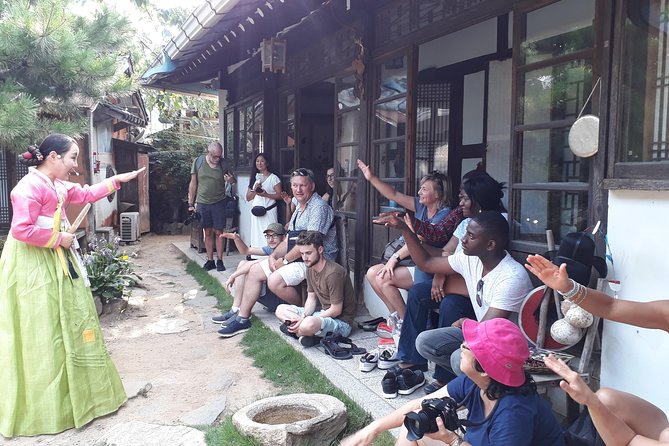
South Korea’s best story is often found outside Seoul, and this five-day road trip gives you a broad look at the country in one well-packed sweep. You’ll walk through Baekje-era sites, Jeonju’s traditional hanok lanes, Busan’s seafood market, Gyeongju’s great temples, Andong’s old village, and Seoraksan’s mountain country.
I like the way transportation, hotels, breakfasts, and an English-speaking guide are bundled into one price. I also like the mix of ancient sites, modern cities, coast, countryside, and Olympic venues. The catch is the pace: expect long road days, limited free time, and hotel quality that may vary from night to night.
Key points to know before booking
- Nearly 1,600 kilometers by road: This is an across-country tour, not a relaxed stay in one region.
- Guide quality matters: Guides such as Justin Choi, Mina, Andy, Cooper, and Brandon have been praised for history, humor, food advice, and personal care.
- Four hotel nights are included: Accommodation ranges from comfortable to dated, with some concern about cleanliness and air-conditioning.
- Major cultural sites fill the route: Jeonju Hanok Village, Hahoe Folk Village, Bulguksa, Seokguram, and Baekje monuments all feature.
- Several costs remain extra: Food, Seokguram entry, some temple and ferry charges, the Pyeongchang monorail, and the Seoraksan cable car are not included.
- You start and finish in central Seoul: Meet at 8 a.m. beside Dongwha Duty Free near Gwanghwamun and return around 6 p.m. on the final day.
Why this route works for a first look at Korea
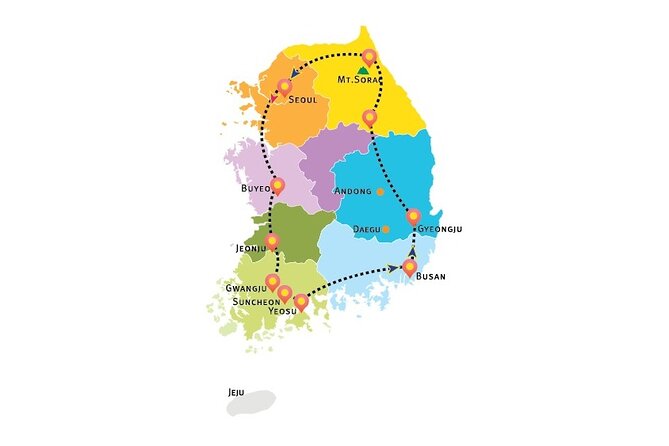
At $999 per person, this tour is best understood as a packaged transportation solution. South Korea has excellent roads and trains, but planning a route that links Gongju, Jeonju, Suncheon, Yeosu, Busan, Gyeongju, Andong, Pyeongchang, and Seoraksan would take time, several hotel bookings, and careful coordination.
Here, you pay one price for a vehicle, driver, guide, four nights of lodging, and four breakfasts. That can be good value if you want to see a lot without handling Korean-language reservations or intercity connections yourself.
You do not spend sightseeing time in Seoul. That is important. The meeting point is in Seoul, but the purpose of this trip is to get out of the capital and see the rest of the country. I’d use it after spending separate time in Seoul, or for a short visit when you want a broad national overview.
The group can reach up to 50 people, although the vehicle size depends on the number booked. One person can reserve a place, but at least two people are needed for the departure to operate. Confirmation is normally issued within 48 hours, subject to availability.
More day trips out of Seoul:
- Best DMZ Tour Korea from Seoul (Red Suspension Bridge Optional)
★ 5.0 · 41,422 reviews - DMZ Tour: 3rd Tunnel, Option(Suspension Bridge, Boat) from Seoul
★ 5.0 · 21,373 reviews - DMZ tour south Korea from Seoul (NK experience hall, defector)
★ 5.0 · 20,599 reviews
Day one: Baekje tombs, a riverside fortress, and Jeonju roofs
The first morning begins at 8 a.m. in the parking area next to Dongwha Duty Free at exit 6 of Gwanghwamun Station. Hotel pickup is not included, so allow time to reach the meeting point with your luggage.
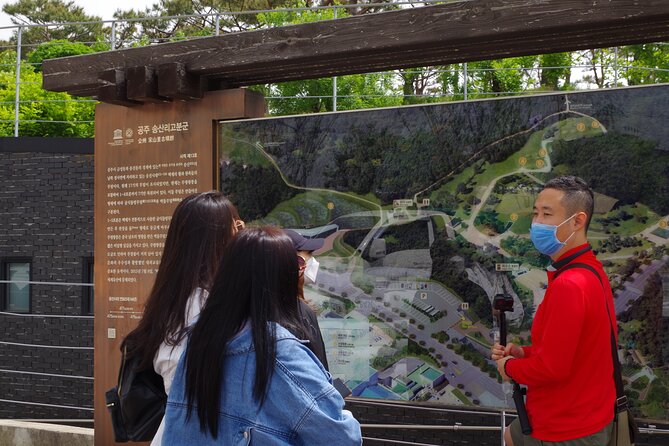
The opening stop is the Songsan-ri Tombs and the Royal Tomb of King Muryeong in Gongju. These burial sites connect you with the Baekje kingdom, which ruled part of the Korean Peninsula from 234 to 678. The visit lasts about two hours and admission is included.
This is a useful beginning because it puts Korea’s old kingdoms on the map before the tour moves to later periods. King Muryeong ruled from 462 to 523, and the tombs contain important Baekje-era remains. Your guide’s explanation will make more sense here than simply looking at burial mounds without context.
Next comes Gongsanseong Fortress, another Baekje site. The mountain castle follows the Geumgang riverside and offers a view across the water. You have about an hour, enough for a walk and photographs, though not enough for an unhurried circuit of every path.
The day ends at Jeonju Hanok Village for roughly two hours. Traditional Korean houses fill the historic district, with curved roof edges that lift toward the sky. While Jeonju itself is a modern city, this neighborhood preserves an older architectural character.
Two hours gives you a taste rather than a full exploration. You may want to spend the time walking the lanes instead of trying to see every shop or stop for a long meal. Lunch and dinner are not included, so your guide’s food suggestions can be useful, especially in a place known for local dining.
Day two: Democracy, gardens, and Admiral Yi in the south
The second day opens at the May 18th National Cemetery in Gwangju, with about two hours on site. This memorial honors victims of the May 1980 democratic movement and serves as a powerful reminder that modern Korean history is not only about economic growth and palace walls.
Give this stop the attention it deserves. It is quieter and more reflective than the markets and temples later in the trip, and a good guide can explain how the events shaped South Korea’s political life.
Suncheon Bay Garden follows, also with about two hours. The garden covers 1.12 square kilometers and contains more than 505 species of trees and 113 kinds of flowers. The scale makes this a welcome change from museums and fortresses, although your experience will vary with the season.
Spring brings flowers, while autumn can offer warm colors across the countryside. One traveler specifically recommended mid-April as a particularly good time to visit South Korea, though the itinerary operates in different seasons. Winter visitors should bring warm clothing.
The route then reaches the statue and memorial area honoring Admiral Yi Sun-sin. During the Japanese invasion of 1592 to 1598, Yi Sun-sin used this area as a headquarters. The stop lasts about two hours and admission is free.
The itinerary here connects military history with the southern coast. If you enjoy Korean historical dramas, the fortresses, royal sites, and Admiral Yi material will give familiar stories a real setting. If military history is not your main interest, your guide’s storytelling will make the stop more approachable.
The day covers considerable distance. You’ll want comfortable clothes, water, and a willingness to eat when the schedule allows, since meals are your responsibility.
Day three: Jinju, Busan seafood, and Haeundae
Jinjuseong Fortress is the first stop on day three. The one-hour visit focuses on a stronghold tied to the Japanese invasion of 1592. The fortress had earlier names, including Geoyeolseong and Chokseokseong, reflecting its long role in the region.
An hour is enough to understand the setting and walk a little, but this is another stop where the tour favors breadth over slow exploration. The value comes from seeing several sites in sequence and hearing how each fits into Korean history.
In Busan, you get about two hours at Jagalchi Market, Korea’s largest seafood market. Live and dried fish are sold along the waterfront in Jung-gu. This is one of the trip’s more immediate cultural stops: less formal than a temple, more sensory, and closely tied to daily life.
Lunch is not included, so Jagalchi is a natural place to arrange your own meal if the schedule permits. Ask your guide how much time you have before ordering. With a group, meals need to be handled efficiently.
The afternoon moves to Haeundae Beach and Nurimaru APEC House, with around two hours. Haeundae gives you Busan’s modern seaside face, while Nurimaru combines conference architecture with ocean views. It is a useful counterpoint to the stone pagodas and old fortress walls seen earlier.
Busan is one of the cities that can easily fill several days on its own. This tour gives you a compact introduction rather than a full city experience. You won’t have much time for neighborhoods, nightlife, or independent shopping, but you will see two recognizable sides of the city: its seafood trade and its polished waterfront.
A few more Seoul half-days to weigh up
- From Seoul: 5-Day Tour of Korea with UNESCO Sites
★ 4.8 · 22 reviews
Day four: Gyeongju’s UNESCO monuments and Andong’s old village
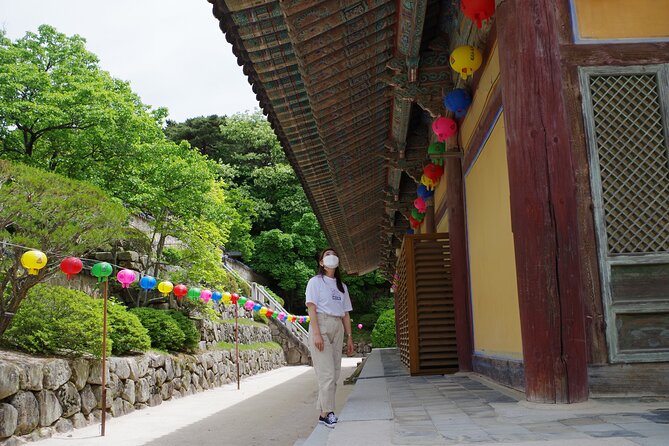
Day four brings some of the trip’s strongest cultural sights. Seokguram is an artificial granite grotto and a UNESCO World Heritage site, built in connection with Bulguksa Temple. The stone Buddha and construction are the main reasons to come, but note that entry to Seokguram is listed as an extra cost.
Bulguksa follows for about an hour. It is one of Gyeongju’s defining monuments, known for its temple buildings, stone stairways, and historic pagodas. Admission is listed as free for this tour, while Seokguram has an optional entry charge.
Gyeongju was the center of the Silla kingdom, so this pair of sites gives the tour a different period from the Baekje monuments in Gongju. I especially like the historical progression: you see early Korean kingdoms on day one, later military and democratic history on days two and three, then Silla art and religion on day four.
The time at Bulguksa is short. You can see the main grounds, but you won’t have hours for quiet photography or a leisurely visit. Keep a small amount of cash available for optional admissions and extras, since not every attraction cost is included.
The final stop is Andong Hahoe Folk Village, included in the tour and scheduled for about two hours. The village sits by the Nakdong River, with Buyongdae Cliff, sandy riverbanks, and old pine trees around it. Traditional houses and the setting make this one of the most appealing stops for a first-time visitor.
Hahoe feels different from Jeonju Hanok Village. Jeonju is a preserved urban district with shops and city energy around it. Hahoe offers a more rural setting and a stronger sense of how a traditional settlement relates to river, fields, and hills.
Day five: Olympic Pyeongchang and Seoraksan
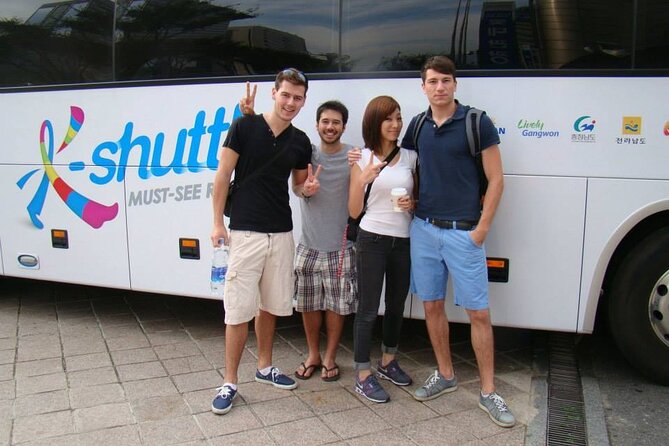
The final day begins at the Alpensia Ski Jump Lounge, connected with the 2018 Winter Olympic Games. The visit is to the ski-jumping stadium, not the tower. A monorail ride to the ski jump may cost extra, so confirm the current arrangement with your guide.
This stop may appeal most to sports fans and anyone curious about the infrastructure built for the Winter Olympics. The visit can also be brief depending on traffic and the day’s timing. Build your expectations around a viewpoint and Olympic venue, not a full mountain resort stay.
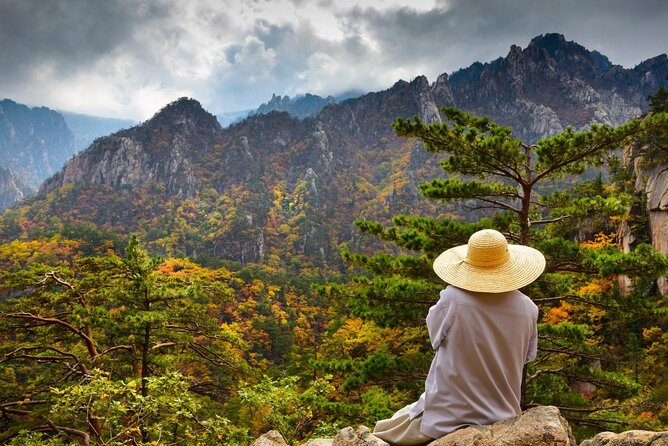
Seoraksan National Park is the final major stop. The itinerary points to Sinheungsa and Seorak Mountain, where sharp peaks and mountain streams create some of the route’s best scenery. Admission to the national park is not included, and the Gwongeumseong Fortress cable car and temple entry are also listed as optional costs.
Two hours is enough for a selected walk, but not for a serious mountain hike. Good walking shoes are essential, and weather can affect what you see and how much time you have outside. In autumn, the park can be especially striking, with changing foliage across the slopes.
The coach returns to Dongwha Duty Free in Seoul at about 6 p.m. Traffic can change that timing, so avoid booking a tight evening flight or train connection.
Guides, buses, and the daily rhythm
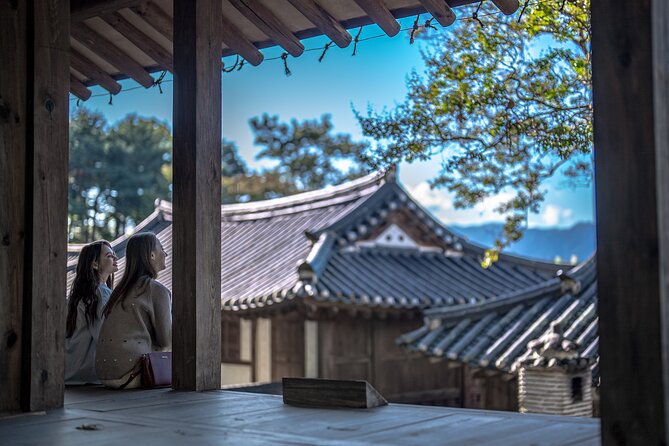
The strongest part of this tour is often the guide. Justin Choi has been singled out for his historical explanations, humor, patience, food advice, and ability to manage a mixed-age, international group. Mina has also been praised for her care and clear explanations, while Andy, Cooper, and Brandon have received similar recognition for friendliness and cultural insight.
Your assigned guide will not necessarily be one of these people. Still, the pattern is clear: a good guide adds real value to a route that crosses so many periods and places. Ask questions, especially during the long drives. The history of Korea can otherwise become a string of unfamiliar names.
The vehicle is the practical compromise. This tour covers roughly 1,600 kilometers, with some days involving up to eight hours on the road. Most departures use a bus or coach, but the exact size depends on the group.
One report described an uncomfortable, slow school-bus-style vehicle, while other accounts found the bus clean, air-conditioned, and supplied with water. There is no promise of onboard Wi-Fi or a toilet. Pack lightly and keep water, medication, a phone charger, and a light layer within reach.
The luggage allowance is one carry-on measuring about 24 by 16 by 11 inches. That is a real restriction for five days, so pack compactly and expect to handle your own bag at hotels.
Hotels and meals: useful convenience, uneven standards
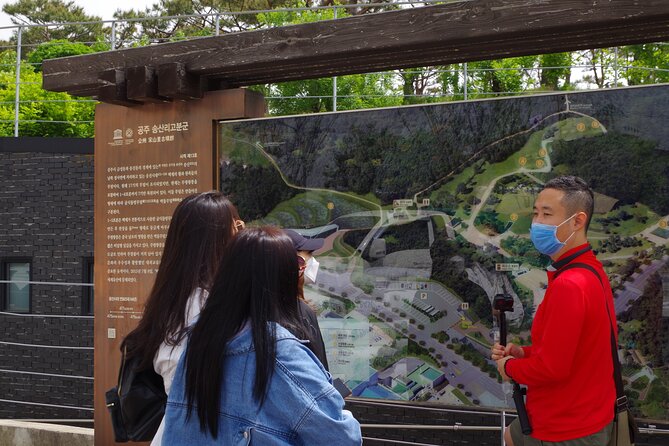
Four nights of accommodation and four breakfasts are included. Hotel quality can vary by departure, and the named properties have not been fixed in the information provided.
Some stays have been described as clean and comfortable, while others have been criticized for old carpets, poor housekeeping, weak air-conditioning, or an inconvenient location away from restaurants. One stay reportedly had no hot water, and breakfast quality was not consistent at every property.
I would book this tour for the route, guide, and transport rather than for a guaranteed hotel experience. You can choose single or double accommodation at checkout. If three people select a double room, a pullout bed can be arranged at no extra charge, but you need to tell the operator when booking.
Children aged three to five may receive a child price if they share an adult’s bed. A child using a separate bed pays the adult price, and a booking with one adult and one child requires the child to book as an adult.
Lunch, dinner, snacks, and drinks are not included. That keeps the headline price lower and gives you some choice, but it also means you must plan around the sightseeing schedule. Your guide can help with local foods and restaurant choices, a useful service in towns where language may be a barrier.
Who should book this five-day route?
I’d recommend it to a first-time visitor who has limited time and wants to see far more than Seoul. It suits you if you like historic sites, guided context, scenic drives, coastal cities, traditional villages, and the convenience of having transport arranged.
It is also a good fit for solo bookers who prefer a structured group, provided the departure reaches its minimum of two people. Families can participate, including families with young children, but the long drives and daily schedule require patience.
I would hesitate if you want slow travel, long meals, independent wandering, or carefully chosen hotels. You may also find the pace tiring if walking is difficult, since a moderate amount of walking is involved and several stops include uneven or outdoor paths.
At 95 percent recommended and a 4.6 rating from 37 submitted ratings, the experience has a strong overall record. The positive pattern centers on the guides and the range of places visited. The main cautions are the fast schedule, vehicle comfort, optional costs, and inconsistent hotel standards.
Practical details before you reserve
Meet at 149 Sejong-daero, beside Dongwha Duty Free at the Gwanghwamun intersection, around 8 a.m. The tour ends at the same location at approximately 6 p.m. on day five.
Bring good walking shoes and warm clothes in winter. Have your passport name, number, expiry date, and country of issue ready for every participant at booking.
The itinerary and hotels can change because of weather, traffic, or other local conditions. Poor weather can lead to a different date or a full refund. For ordinary cancellations, a full refund requires cancellation at least six full days before the start time. Cancelling two to six days ahead gives a 50 percent refund, while cancellation less than two full days ahead is nonrefundable.
Should you book it?
Book this tour if your priority is seeing Korea beyond Seoul in five efficient days. The route covers an impressive amount: Baekje tombs, fortresses, hanok villages, democracy memorials, gardens, Busan, Gyeongju temples, Andong, Olympic Pyeongchang, and Seoraksan.
Go in knowing that this is a road tour with long days, not a restful holiday. If a strong guide is assigned, the historical explanations and practical help can make the pace worthwhile. If hotel standards and personal free time matter more than coverage, arrange your own slower route instead.
FAQ
Where does the tour begin and end?
It begins at the parking lot next to Dongwha Duty Free near exit 6 of Gwanghwamun subway station in Seoul at 8 a.m. It ends at Dongwha Duty Free at about 6 p.m. on day five.
Is hotel pickup included in Seoul?
No. Hotel pickup and drop-off in Seoul are not included. You must reach the Gwanghwamun meeting point yourself.
What is included in the $999 price?
The price includes transportation throughout the itinerary, a professional English-speaking guide, four nights of accommodation, and four breakfasts.
Are meals included?
Only four breakfasts are included. Lunch, dinner, snacks, drinks, and other food are not included unless specifically stated.
Are all attraction admission fees included?
No. Some optional costs are extra, including Seokguram Grotto entry, a possible Goransa Temple ferry surcharge, the Pyeongchang ski jump monorail, and the Gwongeumseong Fortress cable car and temple entry. Seoraksan admission is also not included.
How much luggage can I bring?
The allowance is one carry-on bag measuring approximately 24 by 16 by 11 inches.
Can I book a single room?
Yes. You can select single or double accommodation when booking. If three people choose a double room, a third person can use a pullout bed at no extra charge if arranged with the operator.
What happens if the tour does not operate?
One person can book, but at least two participants are required for the tour to operate. If the minimum is not reached, an alternative or full refund will be offered.
Recently added around Seoul
- Nami & Maple Road & Theatre des Lumieres Day Tour from Seoul★ 4.8 · 4 reviews
- Gyeongbokgung Palace Photo Session with your own phone★ 5.0 · 4 reviews
- Private Tour around Suwon UNESCO Fortress and Korea Folks Village★ 4.5 · 4 reviews
- N Seoul Tower + Namsan Cable Car Ticket (Collect in Myeongdong)★ 3.5 · 4 reviews
- Jisan Forest Resort: Ski Full-Day Tour or Shuttle from Seoul★ 5.0 · 4 reviews
- Seoul: Deoksugung Palace Night Tour★ 4.5 · 4 reviews
- Seoul Private Walking Tour with a Local★ 5.0 · 4 reviews
- Private Jeonju Hanok Village – Culinary tour★ 5.0 · 4 reviews
Day Trips from Seoul, compared.
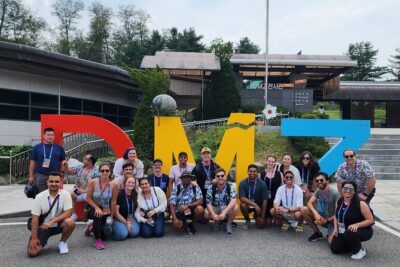
Best DMZ Tour Korea from Seoul (Red Suspension Bridge Optional)
Read the review →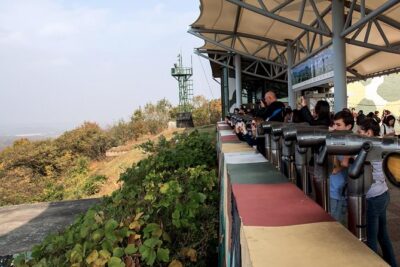
DMZ Tour: 3rd Tunnel, Option(Suspension Bridge, Boat) from Seoul
Read the review →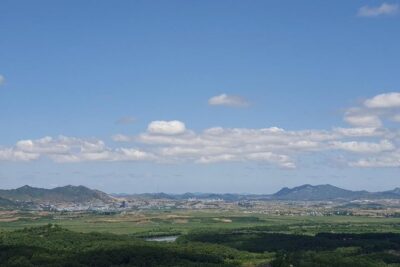
DMZ tour south Korea from Seoul (NK experience hall, defector)
Read the review →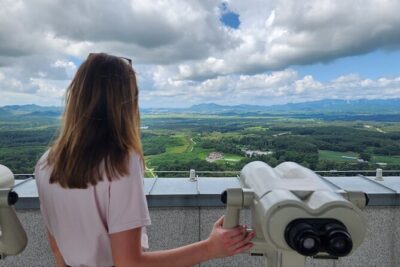
Thrilling Korean DMZ 3rd Tunnel Tour from Seoul + Red Bridge Rush
Read the review →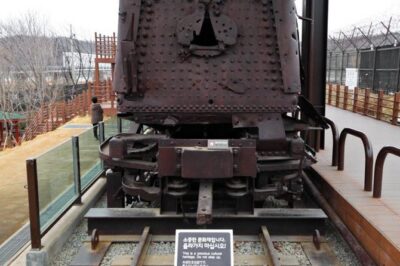
DMZ Past and Present: Korean Demilitarized Zone Tour from Seoul
Read the review →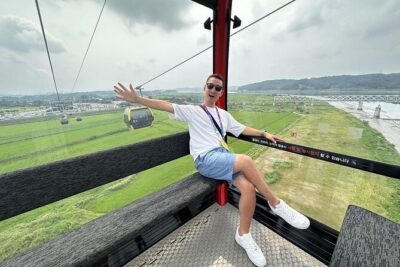
Ultimate Korea DMZ Tour from Seoul (Gondola & Suspension Bridge)
Read the review →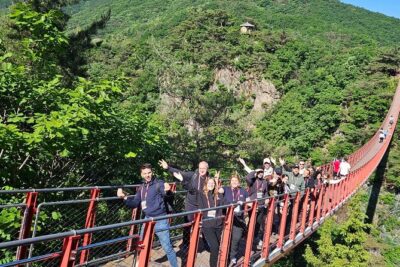
DMZ Tour from Seoul – Optional Suspension Bridge Experience
Read the review →Half-Day DMZ Tour Led by a Retired Military Officer from Seoul
Read the review →Browse the lists this tour appears in