
Reviewed · JEJU TOURS
Jeju: East of Jeju Island Bus Tour from Seogwipo City
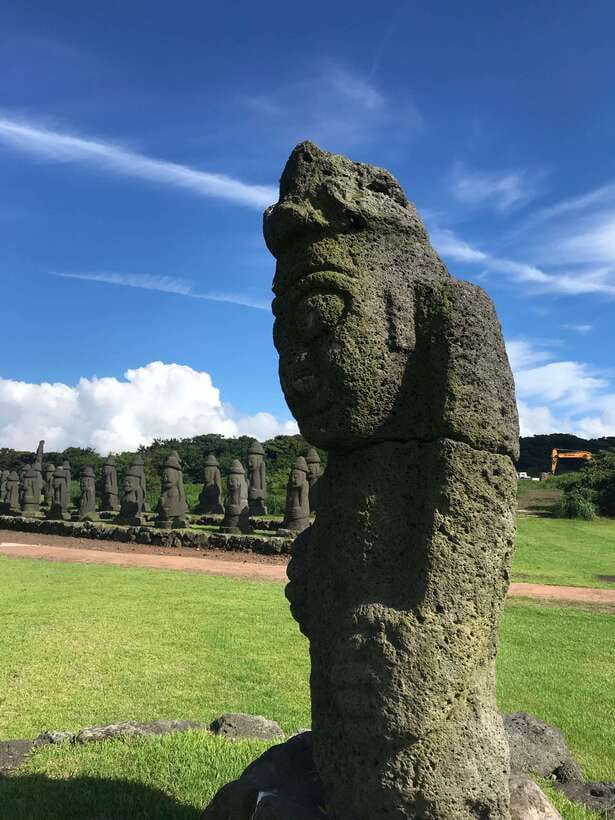
Eastern Jeju packs an impressive amount into one day: a living folk village, a volcanic peak above the sea, the culture of Jeju’s haenyeo women, a bright-water beach, and a lava cave or beach substitute. The tour is especially useful if you are staying in Seogwipo, since it begins and ends there rather than sending you across the island to Jeju City.
I like the small-group format, limited to 12 people, and I like the way guide Fabio connects scenery with Jeju’s history and present-day life. The clean minivan, sensible route, and hotel pickup make a car-free day much easier. The main caution is stamina: Seongsan Ilchulbong involves stairs and walking, and the nine-and-a-half-hour schedule can feel full.
Key points at a glance
- Seogwipo departure: Pickup is available from hotels in Seogwipo’s Old Town, with Casaloma Hotel serving as the meeting point for some city-center and outlying stays.
- A strong culture-and-nature mix: Seongeup Folk Village and the Haenyeo Museum balance the big views at Seongsan Ilchulbong and Woljeongri Beach.
- Fabio’s local commentary: He explains Jeju’s history, language, infrastructure, ecology, and people in fluent English, with room for questions.
- Small-group transport: Groups are capped at 12, with vehicles ranging from family vans to larger buses depending on group size.
- Weather matters: The haenyeo performance depends on sea conditions, and Manjanggul Cave may be replaced by Hamdeok Beach and Seoubong Peak.
- Bring the right gear: A wind jacket is useful year-round. In summer, pack rain protection, and consider an umbrella for sun.
Why this eastern Jeju route works well from Seogwipo
Jeju is a large island, and getting between its main sights by public transport takes patience. This trip solves the awkward part: you can stay in Seogwipo, near the south coast and Seogwipo Maeil Olle Market, while seeing the island’s eastern side in one organized day.
The schedule lasts 570 minutes, or about nine and a half hours. That is a long day, but the route is arranged in a sensible loop. You spend time on the road, yet the drives also provide coastal views and short transitions between very different places.
Fabio is the guide named for this experience. His approach is more personal than a simple stop-and-photo tour. He explains Jeju’s history and social life, answers questions about Korean culture and language, and can adjust timing when the group wants more time for food, walking, or a scenic stop.
That flexibility has limits because several major sights must fit into one day. Still, the small group helps. With a maximum of 12 people, the vehicle is easier to manage than a large coach, and the day can feel more like a shared outing than a procession.
More City Tours in Jeju
- Half or Day Tour For Cruise customers arriving at Jeju City Port
★ 5.0 · 71 reviews - Jeju: West of Jeju Island Bus Tour from Seogwipo City
★ 5.0 · 20 reviews - Jeju: Seogwipo City Walking Tours with Sunset
★ 5.0 · 11 reviews
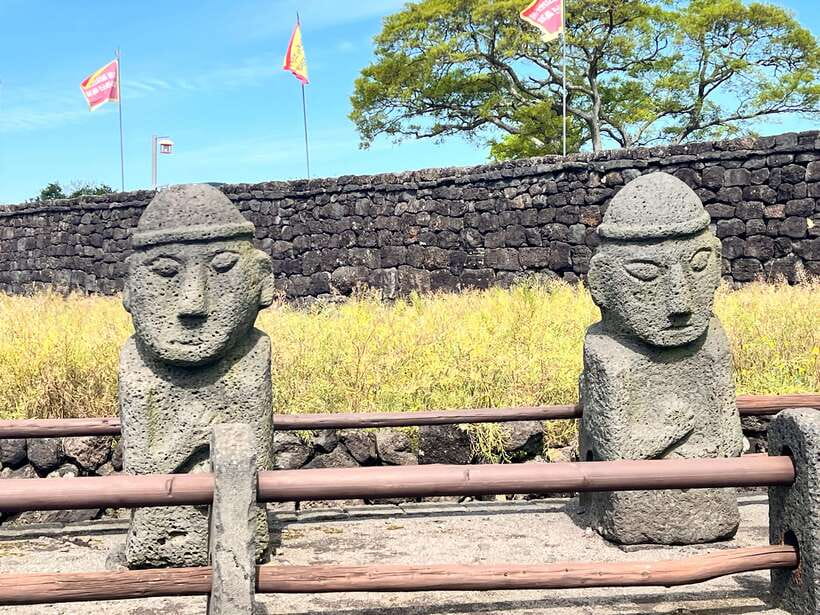
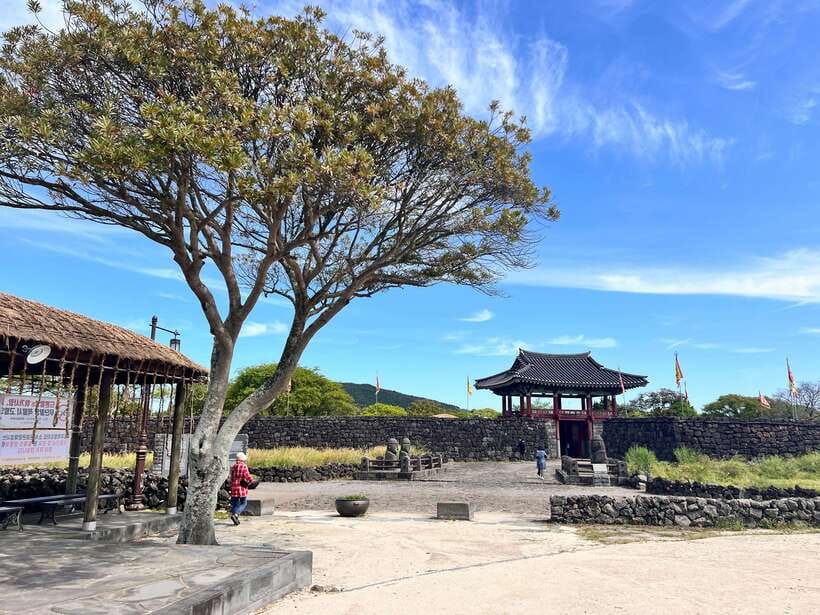
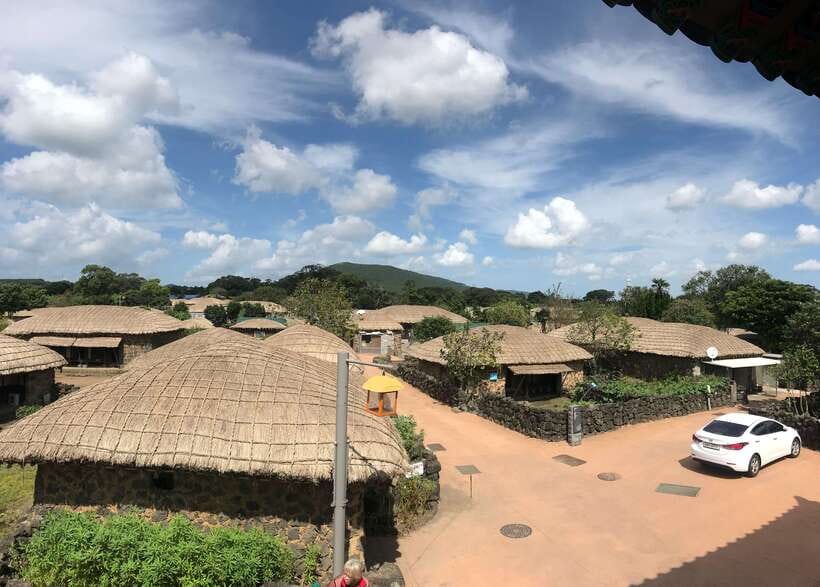
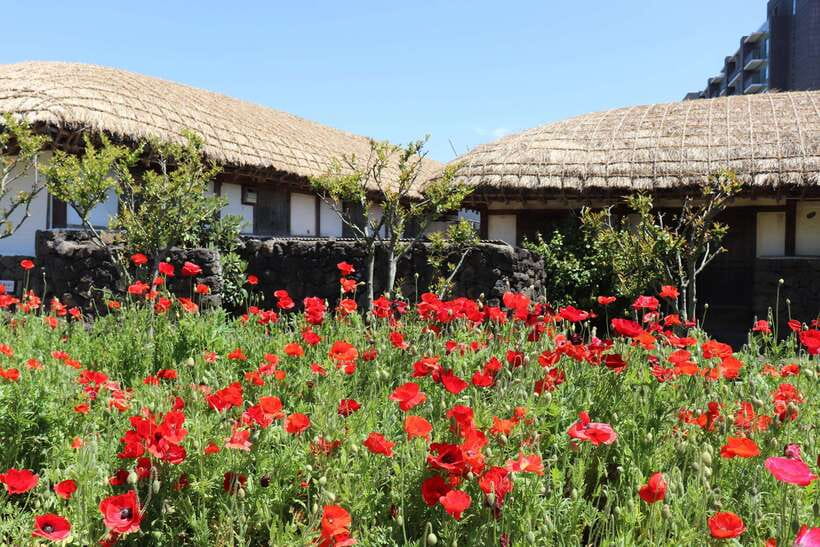
Seongeup Folk Village: Jeju tradition with real homes
The first major stop is Seongeup Folk Village, about 50 minutes from Seogwipo. You have roughly 40 minutes with a guide here, enough to get a clear sense of Jeju’s older village life without spending half the day at one site.
The attraction is not only old buildings arranged for display. Seongeup is a traditional village where local life and heritage meet. Look for the details that explain how island families adapted to Jeju’s strong winds, volcanic soil, and distance from mainland Korea.
This is a useful first stop because it gives context to everything later. After hearing about village customs, you can better understand that Jeju is not simply a beach destination. Its identity grew from farming, fishing, local beliefs, and difficult island conditions.
The visit is guided, so you are not left to guess what you are seeing. Fabio’s explanations are particularly useful here, since the buildings and customs can be easy to skim over if you do not know what to notice.
Do not expect a vast open-air museum visit. Forty minutes is a compact introduction. If you want long, quiet photography sessions or a slow look at every lane, you may wish for more time. As a first chapter in a full-day tour, though, the stop earns its place.
Seongsan Ilchulbong: Jeju’s volcanic landmark above the coast
After about 30 minutes of driving, the route reaches the coast near Seongsan Ilchulbong, also called Sunrise Peak. This UNESCO World Natural Heritage site is a tuff cone, formed by volcanic activity and shaped further by wind and waves.
Before the main visit, the group stops at Gwangchigi Beach for an explanation of the peak. This is a smart choice. From the beach, you can see the form of Seongsan Ilchulbong from a distance, rather than meeting it only at the ticket gate or trailhead.
The guided visit lasts about an hour. You will walk and climb while taking in the rock formations, open sea, and broad coastal views. The route is not merely a viewpoint with a quick photo stop. It asks you to use your legs, especially on stairs and inclines.
I would plan for this to be the most physically demanding part of the day. The tour is not suited to anyone over 95, and the supplied information makes clear that there is a fair amount of walking and stair climbing. If heat, wind, or uneven paths are concerns, tell Fabio early. The timing has been adjusted for people’s needs on previous departures.
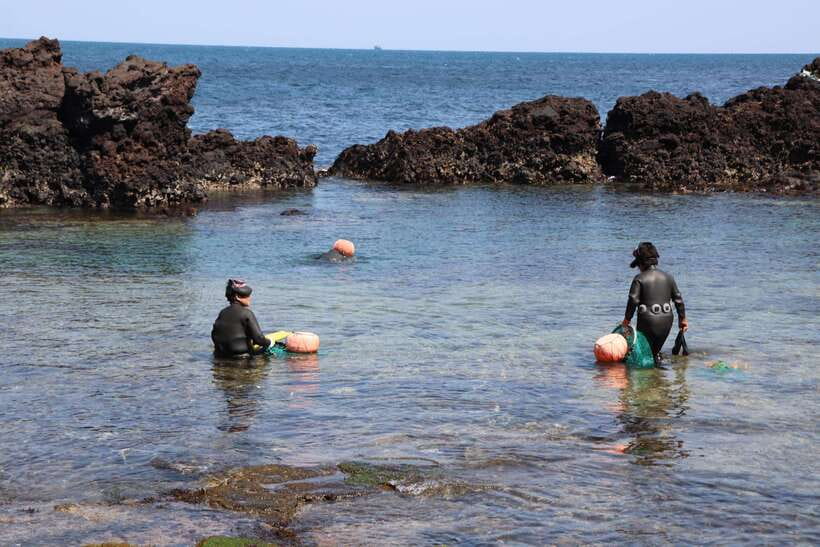
At the end of the Sunrise Peak trail, you may see a performance by Jeju’s women sea divers, known as haenyeo. This is weather dependent, so it cannot be promised. The women work in open water without oxygen tanks, and their tradition is recognized as an intangible cultural heritage of humanity.
If the performance is not operating, the day does not lose its cultural focus. The Haenyeo Museum later provides the fuller explanation, and the route along the Jongdal-ri coast may offer a chance to spot actual haenyeo at sea. Fabio has also made brief roadside stops when he noticed them working, though such sightings naturally depend on conditions and timing.
The Haenyeo Museum: understanding Jeju’s women sea divers
The drive from the Seongsan area follows the Jongdal-ri coastal road before reaching the Haenyeo Museum. The museum visit takes about 50 minutes and is one of the most meaningful parts of the day.
The haenyeo tradition is easy to reduce to a colorful photo opportunity. The museum gives you the wider picture: the work itself, the role of women in coastal communities, and the cultural importance of a demanding occupation passed through generations.
This stop also helps explain why the coastal roads matter. Jeju’s sea is not just scenery. For many communities, it has been a workplace and a source of food, income, and identity.
The museum is a good counterpoint to Seongsan Ilchulbong. At the peak, you focus on geology and views. Here, you shift toward people and culture. That balance is one of the tour’s strongest features.
If the haenyeo performance is canceled because of wind or rough water, do not treat the museum as a consolation prize. It is the more reliable place to learn what the tradition means. The live performance is memorable when it happens, but the museum provides the background you need to understand it.
A few more Jeju half-days to weigh up
- Jeju: Eastern Jeju UNESCO Spots Day Tour
★ 4.9 · 1,148 reviews - Jeju: Western and Southern Sightseeing Day Tour
★ 4.8 · 972 reviews - East Jeju Essentials – Seongsan Ilchulbong (UNESCO) & Haenyeo
★ 5.0 · 939 reviews - Jeju: Southern Top UNESCO Spots Bus Tour
★ 4.9 · 648 reviews
Woljeongri Beach: a short pause beside bright water
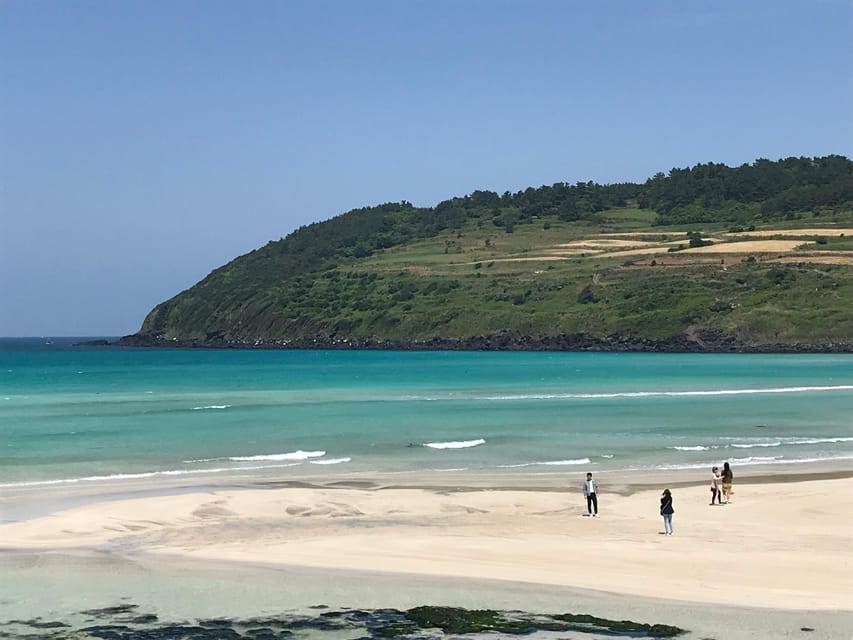
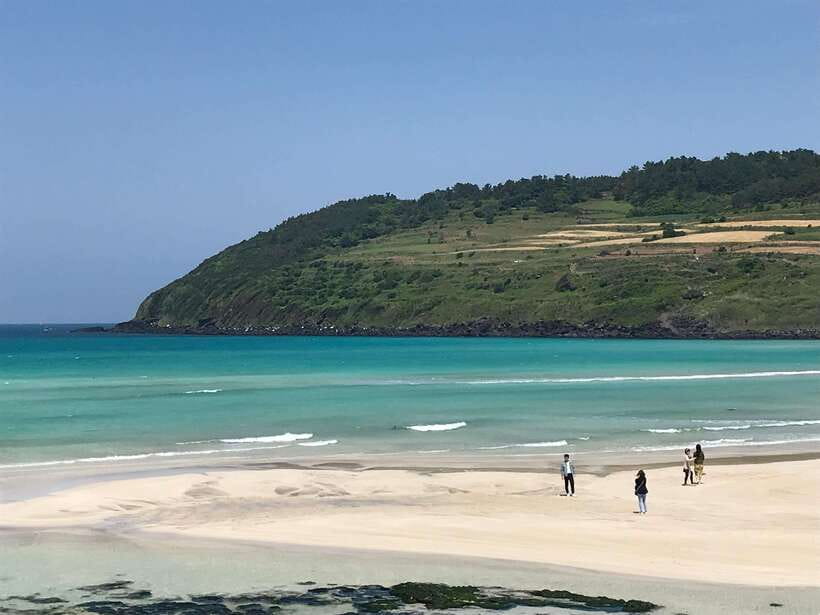
Woljeongri Beach comes next, with about 30 minutes of free time after a short drive. It is smaller than Jeju’s biggest beaches, but its clear sea color and coastal charm make it an appealing pause between museums, trails, and vehicle time.
This is not a long beach afternoon. Thirty minutes is enough for a walk, photographs, and a breath of sea air, but not enough for a leisurely swim, extended café stop, and full shoreline exploration. Think of it as a scenic reset.
The stop also keeps the day from becoming too museum-heavy. After the Haenyeo Museum, you get open space, water, and a chance to move at your own pace. Wear shoes you can walk in comfortably, since the tour includes several active stops.
Jeju’s weather can change quickly, and the island is famously windy. The sea may look calm while the breeze remains sharp, so keep a light jacket close rather than buried in your luggage.
Manjanggul Cave or the Hamdeok alternative
The planned final attraction is Manjanggul Cave, reached after a short drive from Woljeongri. The cave was created by Jeju’s volcanic activity and is described as the island’s second World Natural Heritage site.
Under normal access conditions, you get about an hour with a guide inside this volcanic setting. It adds a geological finish to a day that has already covered a volcanic cone, coastal erosion, traditional settlement, and sea culture.
There is an important planning issue here. Manjanggul Cave is temporarily closed until March 2026 because of falling rocks. During the closure, the replacement is Hamdeok Seowoobong Beach, with Hamdeok described as Jeju’s largest and most beautiful beach. The alternative may also include Seoubong Peak and, in the stated route information, Seopjikoji.
You should confirm the exact substitute for your date. The supplied schedule also names Manjanggul as a stop, so the cave and alternative details can look inconsistent when compared side by side. The practical point is simple: you will visit only one main option, not both Manjanggul Cave and the Hamdeok-based alternative.
Hamdeok changes the mood of the final stop. Instead of walking through lava tubes, you get white sand, sea views, and the option of a trail at Seoubong Peak. The peak is noted for sunsets, though the tour’s timing and the day’s weather determine what you actually see.
Transport, timing, and what the $88 price covers
At $88 per person, this is not the cheapest way to see Jeju. It is a strong value if you do not plan to rent a car and want several distant sights in one day.
The price includes the vehicle, an English or Korean-speaking licensed guide, fuel, parking, and admission fees for the parks. Larger vehicles include a driver as needed, while the guide and driver’s meals are also covered. Your lunch, insurance, hotel costs, flights, and personal purchases are not included.
Lunch is the main extra expense to plan for. The supplied details do not set a restaurant or meal, and the day leaves room for the group to discuss eating. Bring money for food and drinks, and ask Fabio for help if you want local suggestions. One past route included bomal kalguksu, knife-cut noodles with sea snail, near the water, but that should not be treated as a guaranteed meal stop.
The vehicle depends on group size. Options range from a family-size van for up to five people to a small bus for up to 12, a minibus for up to 17, or a bus for up to 40. The activity itself is limited to 12 participants, so the larger capacities may apply to other operating arrangements or vehicle planning.
The most important transport benefit is the Seogwipo departure. Pickup is offered from hotels in Seogwipo’s Old Town, with Casaloma Hotel used as the central pickup point for some hotels outside the main zone. You receive confirmation of pickup availability the day before.
At the end, the route returns to the departure hotel or Casaloma Hotel in Seogwipo. A stop can also be made for people heading toward Jeju Airport or downtown Jeju City. If you need a taxi afterward, Fabio has helped arrange one, but do not assume airport transfer is included.
How hard is the day?
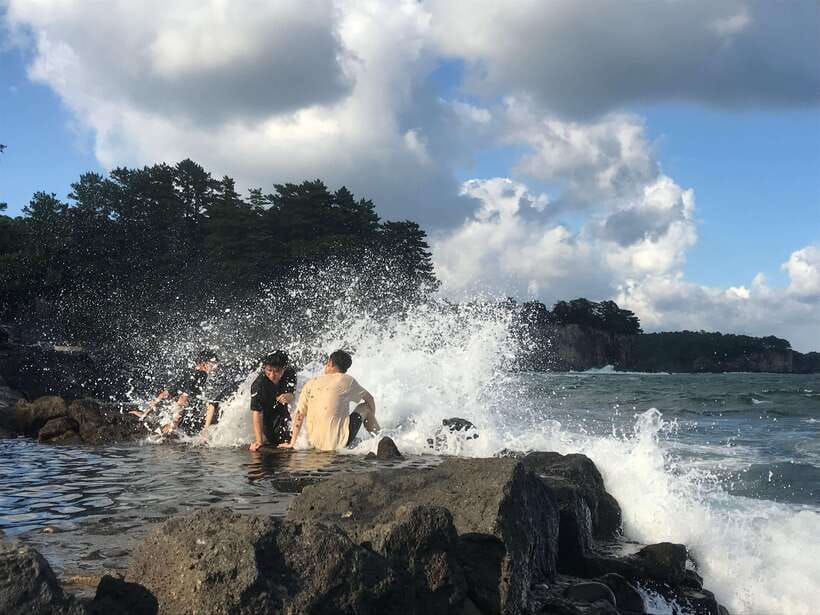
I would rate the day as active but manageable for anyone comfortable with regular walking and stairs. Seongsan Ilchulbong is the key physical challenge, while Seongeup, the museum, and the beaches are easier to tailor.
Jeju’s conditions matter as much as fitness. Wind can make exposed coastal areas feel colder than expected, and summer rain can arrive quickly. Pack:
- A wind jacket in every season
- A raincoat in summer
- Shoes suitable for stairs and walking
- An umbrella for strong sun
- Flip-flops only as an extra for beach time, not as your main footwear
The guide has adjusted routes and timing for hot weather and individual needs, but the day still covers a lot of ground. If you want a slow, unstructured beach day, this is the wrong choice. If you want a well-organized overview with time to walk at the major sites, it fits better.
Who should book this eastern Jeju day?
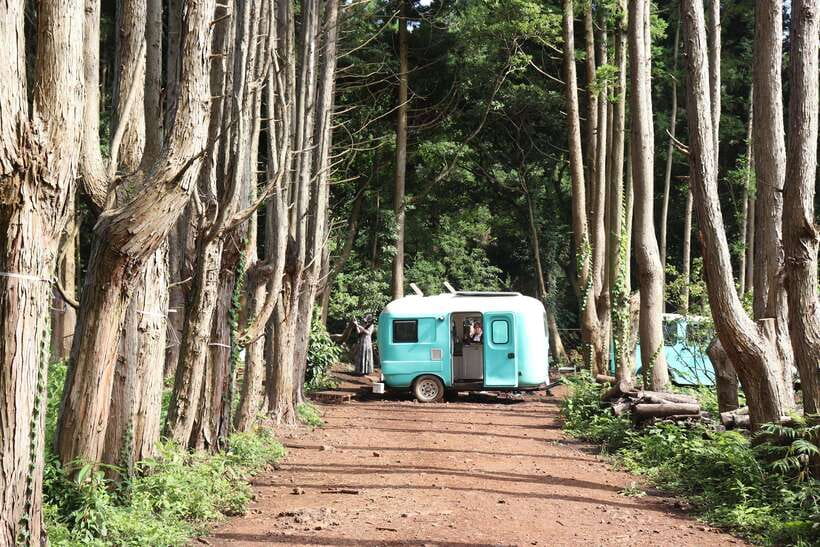
I would recommend it most strongly to people staying in Seogwipo who do not want to rent a car. It also suits solo visitors, couples, and small groups who want company without joining a huge coach tour.
You should book it if you value explanations as much as photographs. Fabio’s commentary covers Jeju’s history, culture, people, language, and modern life, and the group format leaves room for questions. The day is also a good fit if you want both famous sights and a more grounded look at village and sea traditions.
Families with older children may enjoy it, but keep the walking in mind. One family used the tour to help a 10-year-old understand Jeju’s culture and history, while another group noted that the route involved plenty of stairs. The tour is not suitable for people over 95.
It is less suitable if you need guaranteed access to every advertised attraction. The haenyeo performance depends on weather, and Manjanggul Cave is closed until March 2026 because of falling rocks. The replacement beaches are worthwhile, but they offer a different experience.
Free cancellation up to 24 hours before departure and the option to reserve now and pay later make the booking less rigid. Pets are not allowed, although assistance dogs are permitted.
Should you book it?
Book this tour if you want an efficient, human-scale introduction to eastern Jeju from Seogwipo. The best reasons are the pickup convenience, small group, clean transport, and Fabio’s ability to link a folk village, volcanic sites, beaches, and haenyeo culture into one understandable day.
Skip it if you prefer to set your own pace, spend hours at one attraction, or avoid stairs. Also check the Manjanggul Cave status before booking. For most car-free visitors based in Seogwipo, though, $88 buys a useful mix of transport, admissions, guidance, and local context without the strain of planning Jeju’s eastern roads yourself.
FAQ
Where does the tour start?
The listed pickup location is Seogwipo Maeil Olle Market. Free pickup is available from hotels in Seogwipo’s Old Town when confirmed, and Casaloma Hotel is used for some travelers staying outside the central pickup area.
How long does the tour last?
The tour lasts 570 minutes, which is about nine and a half hours.
Is the tour limited to a small group?
Yes. The group is limited to 12 participants.
Which languages are available?
The tour offers live guiding in English and Korean.
Is lunch included?
No. Lunch and private expenses are not included in the price.
Are entrance fees included?
Yes. Admission fees for all listed parks are included, along with fuel, parking, the vehicle, and the guide.
Will I see a haenyeo performance?
You may, but the performance is not held every day. It depends on the weather and sea conditions.
Is Manjanggul Cave open?
Manjanggul Cave is temporarily closed until March 2026 because of falling rocks. During the closure or if access is unavailable, the tour uses a beach alternative such as Hamdeok Seowoobong Beach. Only one of the main cave or beach alternatives is visited.
What should I bring?
Bring a wind jacket, comfortable walking shoes, and sun protection. In summer, a raincoat and flip-flops can be useful, while an umbrella helps on sunny days.
Recently added around Jeju
- Jeju Airport (CJU) Private Transfer to Jeju City Centre/Seogwipo★ 3.5 · 4 reviews
- 2 Day Private pictures of Nature Tour very experience taxi tour★ 5.0 · 4 reviews
- Jeju: K-Drama Spot When Life Gives You Tangerines Hotel Pick★ 5.0 · 4 reviews
- Seogwipo(The southern city of Jeju)City Walking Tours with Sunset★ 5.0 · 4 reviews
- Jeju Island: Sunrise Guided Tour with Hotel Pickup★ 4.7 · 4 reviews
- Jeju Highlights Day Trip (East Course)★ 5.0 · 4 reviews
- Jeju Day Tour – World Heritage & UNESCO★ 5.0 · 4 reviews
- 2 Days Private Taxi Tour – West and South of Jeju Island★ 5.0 · 4 reviews
Jeju Tours, compared.
East Jeju Essentials – Seongsan Ilchulbong (UNESCO) & Haenyeo
Read the review →
South-West Jeju Essentials: Hallasan & Signature Highlights
Read the review →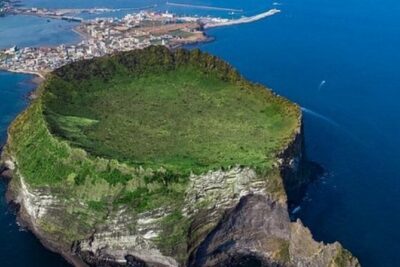
Jeju Island English Private & Flexible Tour any number anywhere
Read the review →
Day Tour with Seongsan Peak & Haenyeo Performance
Read the review →South-West Jeju Essentials: Hallasan & Signature Highlights
Read the review →Browse the lists this tour appears in