
Reviewed · GYEONGBOKGUNG PALACE TOURS
Korean Heritage Tour: Palaces and Villages of Seoul Including Gyeongbokgung Palace
Gyeongbokgung Palace is the star here, but the tour’s real strength is the way it connects royal Seoul with ordinary Korean life. In one long day, you’ll see palace halls, Buddhist worship, traditional crafts, museum displays, and a Korean meal without having to organize separate taxis or train rides.
I like the comfortable hotel pickup and the small maximum group of 10. I also like the changing-of-the-guard ceremony when the timing works, plus guides such as Sunny, Winnie, David, Dora, and Michelle, who have been praised for clear English and lively explanations. The drawback is the ginseng shopping stop, which can feel sales-driven and may take time from the sights.
Key points to know before booking
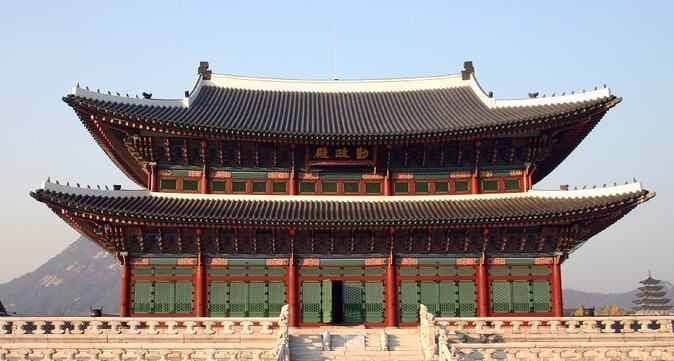
- Gyeongbokgung Palace gives you Seoul’s grandest royal setting, with restored gates, courtyards, pavilions, and halls.
- The Korean Folk Village is a living museum, not an untouched historic village, so expect staged demonstrations and a polished visitor setting.
- Hotel pickup, lunch, admission, and transport are included, making the $140 price easier to justify.
- The morning schedule can feel rushed, especially when the group has several stops before lunch.
- The ginseng center is the main weak spot, with several people finding the sales presentation out of place or too long.
- Moderate walking is required, so wear comfortable shoes and expect time outdoors.
What this full-day Seoul tour is trying to show you
This 8-hour-30-minute outing is built as a broad introduction to Korean culture. It does not focus only on palace architecture. Instead, it moves from the Joseon royal court to domestic traditions, religious practice, food, crafts, and modern cultural tourism.
That broad approach works well if you have limited time in Seoul. You get hotel transportation, a professional guide, a Korean lunch, entrance to the main paid sites, and a small coach rather than having to piece the day together yourself.
The trade-off is pace. You are covering several places spread across Seoul and beyond, and some stops receive only a short visit. I would choose this tour for orientation and convenience, not for slow photography or long, quiet study of each museum.
Pickup begins around 8:30 a.m. from your Seoul hotel. The air-conditioned coach is a practical advantage, especially on a hot or rainy day. The group maximum is 10, though the required minimum is four, so the actual departure size can vary.
More Historical Tours in Seoul
- Seoul: Evening Dark History, Folklore & Ghost Story Walking Tour
★ 5.0 · 593 reviews - Hanbok Photoshoot and History Tour at Gyeongbokgung Palace
★ 5.0 · 276 reviews - From Seoul: Dae Jang Geum Park Historic K-Drama Set Tour
★ 4.9 · 143 reviews
Gyeongbokgung Palace and the Joseon royal court
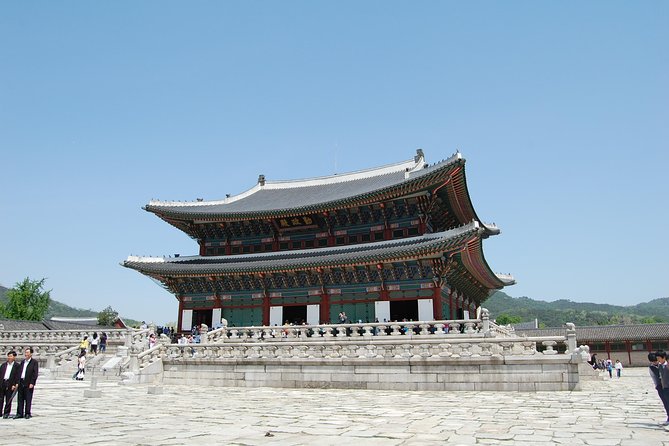
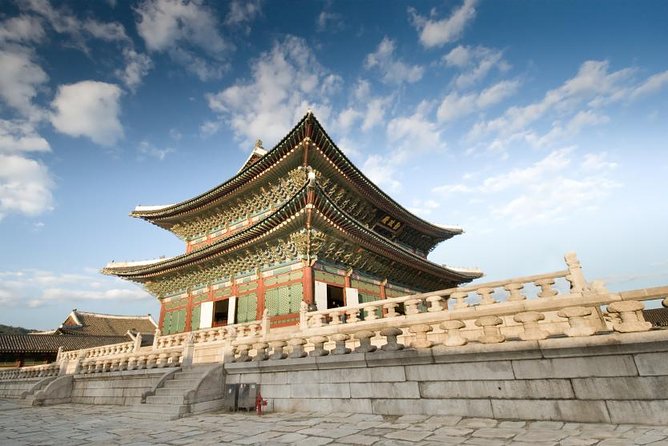
Your first major stop is Gyeongbokgung Palace, built in 1395 as the first royal palace of the Joseon Dynasty. It is also the largest of Seoul’s Five Grand Palaces, so this is the part of the day with the strongest visual impact.
The palace complex was badly damaged during the Japanese occupation, and much of what you see today has been restored. That matters when you visit. You are not walking through a perfectly preserved medieval court, but you are seeing the result of a long effort to recover the palace’s original form.
Your guide leads you past the gates, pavilions, royal halls, and open courtyards. The scale is impressive, but the details reward attention: painted woodwork, sweeping rooflines, formal courtyards, and the careful arrangement of buildings around the royal spaces.
Plan on about one hour here. That is enough for a guided introduction and a good look at the main areas, but it is not generous if you want to linger at every building. Several people have especially valued seeing the changing of the guard, so ask your guide about the timing at the start of the morning. The ceremony is one of the easiest ways to make the palace feel active rather than simply architectural.
The palace is closed on Tuesdays. On that day, the tour substitutes Deoksugung Palace and the Seoul Museum of History. That alternate route gives you a different view of Seoul’s royal past, but you should not book Tuesday expecting Gyeongbokgung.
The National Folk Museum in a quick 20 minutes
Inside the palace grounds, the National Folk Museum of Korea uses artifacts, models, and replicas to explain Korean life from ancient times through the 20th century. Its collection includes more than 90,000 objects, covering everyday customs and traditional ways of living.
This stop adds the context that palace courtyards cannot provide. Instead of seeing only rulers and official buildings, you get a look at how Korean people worked, worshipped, celebrated, and organized home life across different periods.
The scheduled visit is only about 20 minutes. I would treat it as a focused introduction, not a full museum visit. You will need to move at a brisk pace and listen carefully to the guide’s main points. If museums are your priority, this may feel too short, and you may want to return independently on another day.
Jogyesa Temple and a brief Buddhist stop
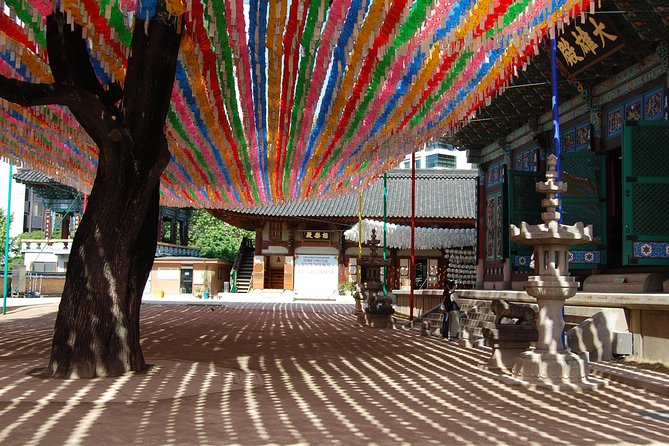
The next stop is Jogyesa Buddhist Temple, the chief temple of the Jogye Order of Korean Buddhism. The tour points out the locust and baeksong trees at the entrance before taking you into Daeungjeon, the temple’s main hall.
The temple offers a useful contrast with the formal order of Gyeongbokgung. Here, the focus shifts from royal authority to Buddhist practice and the image of an enlightened Buddha. The main hall is described as dating back 500 years, giving this short stop a clear place in Korea’s religious story.
The scheduled time is extremely brief, only about two minutes in the itinerary. In real terms, the stop may allow a quick look and explanation rather than a long period of quiet observation. If you want time for prayer, photography, or a careful look at the building, this portion may disappoint.
Still, I like having the temple included. It breaks up the palace and museum sequence and reminds you that Korean heritage is not only about royal architecture.
More Gyeongbokgung Palace visits:
- Best Seoul City Tour (Gyeongbokgung Palace,Insadong,Namsan Tower)
★ 5.0 · 1,647 reviews - Seoul City Sightseeing Tour Including Gyeongbokgung Palace, N Seoul Tower, and Namsangol Hanok Village
★ 5.0 · 1,423 reviews - Seoul: Hanbok Rental with Gyeongbokgung Palace Entry
★ 4.6 · 611 reviews - Korean Palace and Market Tour in Seoul Including Insadong and Gyeongbokgung Palace
★ 4.0 · 174 reviews
Lunch at a traditional Korean restaurant
Around midday, you stop at a local Korean restaurant for lunch. The meal is included, and the setting has been described as picturesque, making it more than a simple break for fuel.
A traditional meal also helps explain Korean food culture in a way a lecture cannot. You get a chance to sit down, reset after the morning’s walking, and share a meal before the afternoon excursion.
Specific dishes are not provided, and the menu may vary. If you have dietary requirements, tell the operator when booking. The tour can accommodate those requests only if they are known ahead of time.
The one-hour lunch period is useful, though the day’s schedule may still feel tight. I would not count on a long, leisurely restaurant experience. Think of it as a planned cultural meal with enough time to eat comfortably before rejoining the coach.
The ginseng center and the tour’s main compromise
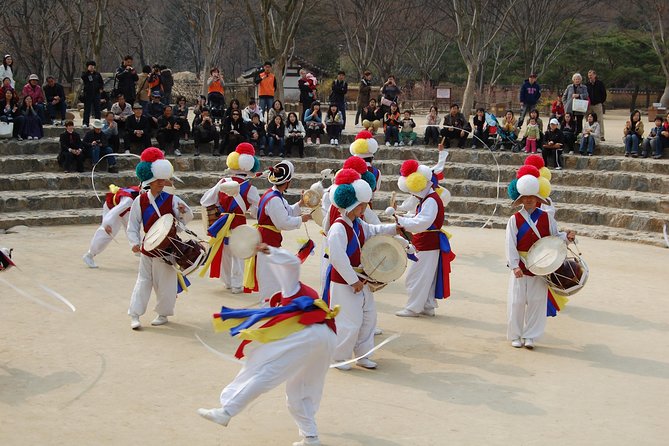
Before or around lunch, the coach stops at a Korean ginseng center for roughly 30 minutes. Korea has a major ginseng industry, and the visit explains the product before giving you the chance to buy some.
This is the least convincing part of the cultural program. The stop is commercial rather than historical, and several people have found it unrelated to the main theme. Some have also felt pressure to purchase ginseng. A few accounts refer to an amethyst or red pine presentation on certain departures, though the stated itinerary specifically lists the ginseng center.
You should go in with clear expectations. You can listen, browse, and leave without buying anything. If shopping presentations bother you, this half-hour will feel wasted, especially because other stops already run short.
The stop does not ruin the day, but it affects the value calculation. At $140 per person, you are paying for convenience, a guide, transport, lunch, and admissions. Time spent in a sales venue feels less worthwhile than time spent in a palace or museum, so this is the detail I would weigh most carefully before booking.
Korean Folk Village: crafts, customs, and a polished setting
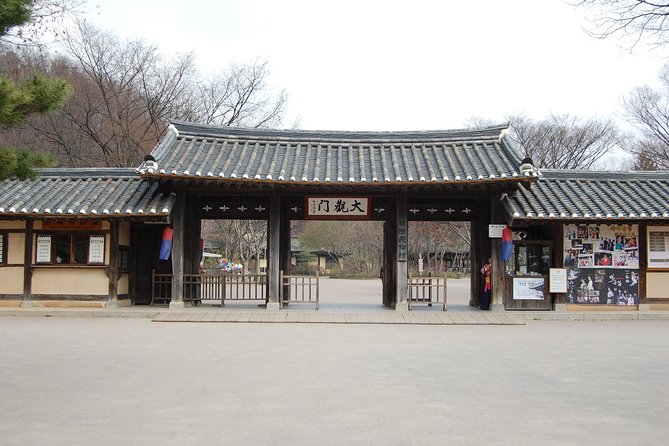
The afternoon heads to the Korean Folk Village, where you spend about 1 hour and 20 minutes. This is a living museum designed to present traditional Korean life and folk culture through buildings, demonstrations, crafts, and performances.
You may see pottery making, basket weaving, embroidery, and the hand-making of winnows, musical instruments, and objects made from bamboo, wood, and brass. These demonstrations give the visit a hands-on feel that the palace cannot provide.
The village is also the most debated stop. If you expect an untouched historic settlement where ordinary life continues without a visitor program, you may find it too polished or artificial. It is better understood as a recreated cultural site, closer to a carefully arranged open-air museum than an unchanged village.
That does not make it worthless. You can see traditional techniques in one place, walk among period-style structures, and get a practical sense of household crafts. For many people, this is the most enjoyable part of the afternoon, particularly when the group is small and the guide can adjust the pace.
The tour’s schedule allows more time here than at Jogyesa or the National Folk Museum. Even so, 80 minutes is not enough to see every demonstration or explore every corner slowly. Use the guide’s introduction to decide what matters most to you, then spend your free time accordingly.
The guide can shape the entire day
Guide quality matters greatly on a multi-stop cultural tour. The best experiences have included guides such as Sunny and Winnie, praised for clear English and useful explanations of Korean culture. David has also been singled out for keeping the group informed, while Dora and Michelle have been described as especially helpful and engaging.
The tour may use different guides for the morning and afternoon. That arrangement can work well, but it can also make the day feel divided. One guide may lead the palace and city portion, while another takes over for the Folk Village.
English delivery has not been equally strong on every departure. Some people have found the first guide too quiet, while others have praised the guides for excellent English and good historical explanations. If you have trouble hearing, stay close to the guide during outdoor stops and ask for repetition when needed.
There can also be a difference between the scheduled group and the actual group. One person who was the only English-speaking participant received a more customized afternoon, with extra areas included and other parts left out. That flexibility is possible, but it should not be treated as guaranteed.
Transport, walking, and the real value of $140
The $140 price is not a bargain-basement walking tour, but it covers several useful pieces: hotel pickup and drop-off, an air-conditioned vehicle, a professional guide, lunch, and admission to Gyeongbokgung and the Korean Folk Village.
If you are staying in Seoul for several days and feel comfortable using public transportation, you may be able to visit some of these places for less on your own. The tour earns its price through organization and interpretation. You do not need to plan routes, arrange intercity transport to the Folk Village, or work out how to combine a palace, temple, museum, lunch, and village in one day.
The price is easier to justify for a first visit, a short stay, or anyone who values hotel pickup. It is less attractive if you want long museum visits, independent meals, or complete control over your schedule.
Expect moderate walking, much of it outdoors. Comfortable walking shoes are specifically recommended. You should also be ready for a full day that begins in the morning and ends with a coach ride back to your hotel.
Who should book this Seoul heritage day
I would recommend this tour to you if you want a broad first look at Seoul’s traditional culture and prefer having transport handled for you. It suits first-time visitors, people on a short stopover, and anyone who wants a guide to explain the palace buildings and customs rather than simply taking photographs.
Families and mixed-age groups may also appreciate the variety. The day changes setting often enough to keep the program moving, and most people can participate as long as they are comfortable with moderate walking.
I would be more cautious if you are a serious museum visitor, a slow photographer, or someone who dislikes shopping stops. The morning can feel rushed, Jogyesa receives very little scheduled time, and the ginseng presentation may test your patience.
Book at least a day ahead if your plans could change, since cancellation without a fee is available up to 24 hours before the start time. The experience requires at least four people and accepts a maximum of 10.
Should you book it?
Book this tour if your priority is coverage and convenience. You will see Seoul’s most important palace, a folk museum, a Buddhist temple, a traditional restaurant, and a recreated village in one organized day.
Skip it if you want a slower, more selective visit or have no interest in commercial demonstrations. The best version of this experience depends on a strong English-speaking guide and a schedule that does not hurry you through the morning.
For most first-time visitors with only a few days in Seoul, I think the tour is a useful orientation. Just treat the ginseng stop as a fixed shopping presentation, not a highlight, and keep your expectations realistic about the Korean Folk Village. The palace, lunch, coach transport, and cultural range do the real work.
FAQ
What is included in the Korean Heritage Tour?
The tour includes hotel pickup and drop-off, a professional guide, an air-conditioned vehicle, lunch, and admission to Gyeongbokgung Palace and the Korean Folk Village.
How long does the tour last?
The tour lasts approximately 8 hours and 30 minutes.
What time does the tour begin?
The stated start time is 8:30 a.m., with pickup from your Seoul hotel.
Is hotel pickup available?
Yes. Round-trip pickup and drop-off from your Seoul hotel are included.
How many people can join the tour?
The tour requires a minimum of four people and has a maximum group size of 10.
Is Gyeongbokgung Palace open every day for this tour?
No. Gyeongbokgung Palace is closed on Tuesdays. On Tuesdays, the tour visits Deoksugung Palace and the Seoul Museum of History instead.
Is lunch included?
Yes. Lunch at a traditional Korean restaurant is included.
Can I request a special diet?
Yes. You should provide any dietary requirements when you book.
How much walking is involved?
A moderate amount of walking is involved. Comfortable walking shoes are recommended.
Can I cancel for a full refund?
Yes, if you cancel at least 24 hours before the experience’s start time. Cancellations made less than 24 hours before the start time are not refunded.
Recently added around Seoul
- Nami & Maple Road & Theatre des Lumieres Day Tour from Seoul★ 4.8 · 4 reviews
- Gyeongbokgung Palace Photo Session with your own phone★ 5.0 · 4 reviews
- Private Tour around Suwon UNESCO Fortress and Korea Folks Village★ 4.5 · 4 reviews
- Seoul: Deoksugung Palace Night Tour★ 4.5 · 4 reviews
- N Seoul Tower + Namsan Cable Car Ticket (Collect in Myeongdong)★ 3.5 · 4 reviews
- Jisan Forest Resort: Ski Full-Day Tour or Shuttle from Seoul★ 5.0 · 4 reviews
- Seoul Private Walking Tour with a Local★ 5.0 · 4 reviews
- Private Jeonju Hanok Village – Culinary tour★ 5.0 · 4 reviews
Gyeongbokgung Palace Tours, compared.
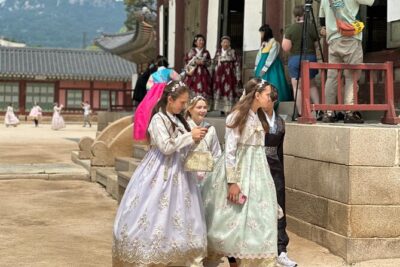
Best Seoul City Tour (Gyeongbokgung Palace,Insadong,Namsan Tower)
Read the review →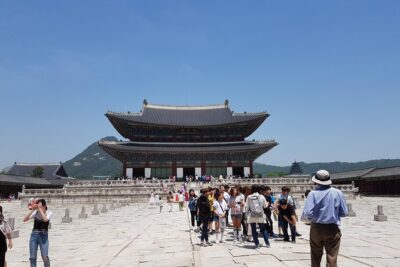
Seoul City Sightseeing Tour Including Gyeongbokgung Palace, N Seoul Tower, and Namsangol Hanok Village
Read the review →
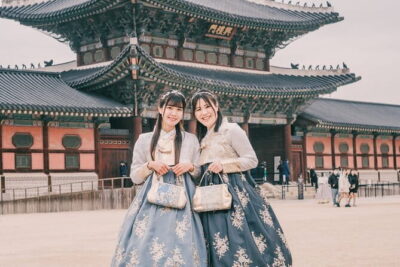
Hanbok Photoshoot and History Tour at Gyeongbokgung Palace
Read the review →
Korean Palace and Market Tour in Seoul Including Insadong and Gyeongbokgung Palace
Read the review →
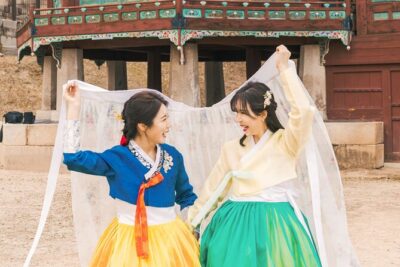
Gyeongbokgung Palace Hanbok Rental Experience in Seoul
Read the review →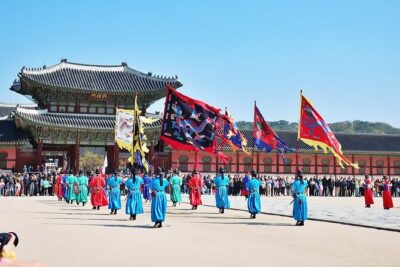
Small-Group Seoul Tour with Gyeongbokgung Palace (hotel pick-up)
Read the review →Browse the lists this tour appears in