
Reviewed · HANBOK RENTAL
Seoul Cultural Tour – Kimchi Making, Gyeongbok palace with Hanbok
The best part of this Seoul tour is the mix of hands-on activities and major sights. You make kimchi, dress in hanbok, play a Joseon-era folk game, and visit Gyeongbokgung Palace instead of simply listening to a guide talk about Korean culture. Guides such as Jay, Grace, Mi So, Alice, and Lady K have led versions of this experience.
I like the small-group limit of 10, which gives you a better chance to ask questions and get help with photos. I also like the practical hotel pickup, especially in a city where a morning transfer can save time and stress. The main drawback is that lunch is not included, and the final stop may be a commercial ginseng center or amethyst factory rather than another historic sight.
Key points
- Make kimchi in a 30-minute class: Learn how this everyday Korean staple is prepared and used in the local diet.
- Choose a hanbok and take photos: Try traditional clothing, with options that can include wedding and royal styles.
- Visit Gyeongbokgung Palace: Wear your hanbok while seeing Seoul’s best-known royal palace.
- Practice Korean customs: Take part in a tea ceremony, learn formal manners, and play Yut-Nori.
- Travel by hotel pickup: Round-trip transport in Seoul is included, with the day beginning around 9:30 a.m.
- Keep the group manageable: No more than 10 people are scheduled for the activity.
Why This Tour Works as a First Taste of Seoul
Seoul can be hard to understand through sightseeing alone. A palace shows you where royal life happened, but kimchi, tea, clothing, and games show you how Korean traditions continue in ordinary life. This tour brings those pieces together in one day.
You are not just looking at a hanbok behind glass. You select one, put it on, and learn how Korean clothing connects with formal occasions and social customs. You do not only eat kimchi at a restaurant. You handle the ingredients and learn how the dish fits into Korean cooking.
That combination makes the tour especially useful early in your visit. Afterward, you will recognize kimchi varieties more easily, understand why hanbok appears in palace photos, and have a clearer sense of Korean etiquette.
The experience is sold at about $99 per person. That is not the cheapest way to see Seoul, but the price includes a professional English or Chinese guide, hotel pickup, the kimchi-making lecture fee, taxes, and handling charges. You are paying for transport and several organized activities, not just palace entry.
The value depends on what you want from a day in Seoul. If you prefer to explore every palace room at your own pace, this schedule may feel packed. If you want several cultural activities without arranging each one separately, the price is easier to justify.
More Historical Tours in Seoul
- Seoul: Evening Dark History, Folklore & Ghost Story Walking Tour
★ 5.0 · 593 reviews - Hanbok Photoshoot and History Tour at Gyeongbokgung Palace
★ 5.0 · 276 reviews - From Seoul: Dae Jang Geum Park Historic K-Drama Set Tour
★ 4.9 · 143 reviews
Starting with Kimchi Instead of Just Eating It
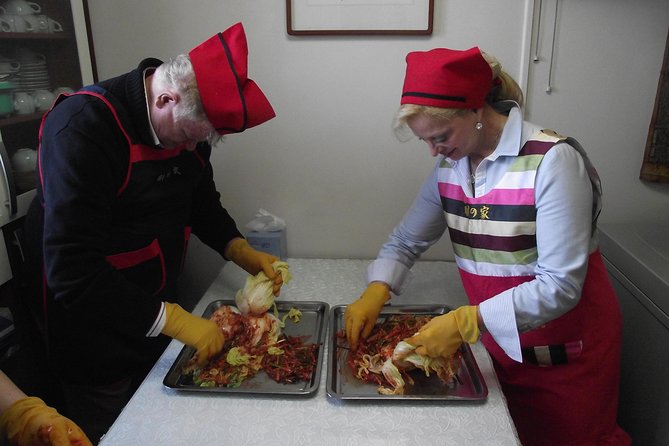
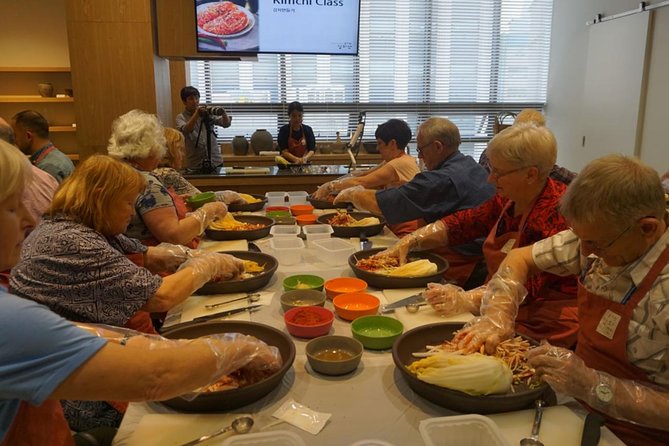
The kimchi class lasts about 30 minutes, so it is a focused introduction rather than a full cooking course. You learn about the dish’s history and tradition, then prepare it with guidance from an instructor.
Kimchi is often treated outside Korea as one particular spicy side dish. In practice, it is part of a much wider food tradition and appears in many forms. This class helps explain its role in the Korean diet and the different ways it is used in cooking.
The hands-on element matters. You get to work with the ingredients and leave with a better understanding of what gives kimchi its strong flavor. One particularly useful part of the class is learning about the ingredients that make it distinct, rather than simply being handed a sample.
Do not expect lunch from this activity. Lunch is not included, so plan to eat before or after the tour, or ask your guide about the day’s timing. Since the full outing lasts approximately 6 hours and 30 minutes, you should not assume the short class will replace a meal.
The kimchi session can also be affected by operating schedules. One booking was rescheduled when the kimchi venue was closed, and the change led to a private tour on another day. That suggests the company may try to find a workable alternative, but you should keep your schedule flexible if this class is the main reason you are booking.
Choosing Hanbok for Palace Photos
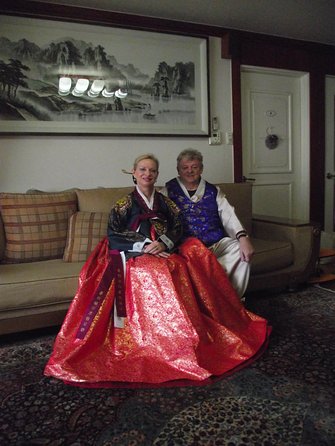
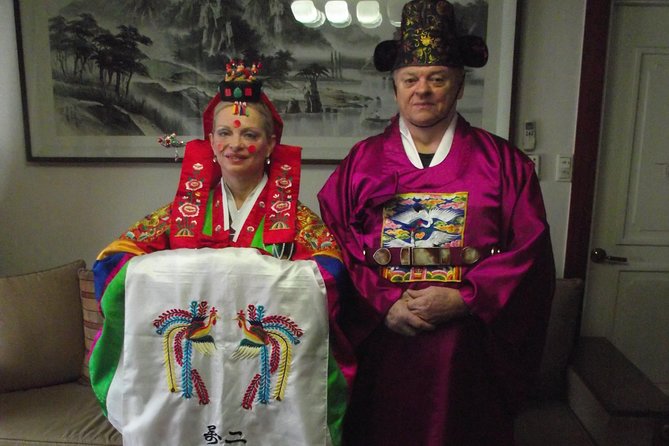
The hanbok fitting is one of the strongest reasons to book this experience. You can choose from many outfits, and the available selection may include wedding and royal clothing as well as more everyday traditional styles.
The fitting is not only about taking a costume photo. You learn about Korean formal dress and wedding traditions, then wear the clothing while visiting the palace. That makes the photographs feel tied to the place rather than staged in an unrelated studio.
Guides help with pictures, which is useful if you are traveling as a couple or family and want everyone in the frame. This also helps solo visitors, who would otherwise need to rely on strangers or a timer.
Allow yourself time to make a choice. The number of outfits can make the fitting more than a quick change, especially if you are deciding among royal, wedding, and standard hanbok styles. Children can take part, and the activity has been described as family-friendly.
A practical caution: the tour does not promise a particular color, style, or exact amount of fitting time. The experience may vary with the group size and the clothing center’s schedule. Still, the chance to choose an outfit and have photos taken is more personal than a simple costume rental.
Gyeongbokgung Palace in Traditional Dress
Gyeongbokgung Palace is the day’s main historic stop. It was the principal royal palace of the Joseon era, and its gates, courtyards, and formal architecture provide the setting for the hanbok portion of the tour.
Walking through the palace in traditional clothing adds a little theater to the visit, in a good way. You can connect the outfit with the buildings and ceremonies it was designed for. Your guide can also explain formal manners and royal customs as you move through the grounds.
The palace stop is best for first-time visitors who want a clear introduction to Korea’s royal past. It is less suited to someone hoping for a long, quiet architectural study. The tour has several activities to fit into the day, so the palace visit is part of a larger program rather than a stand-alone palace tour.
Your guide’s role makes a difference here. Guides named Jay, Grace, Mi So, and Lady K have been associated with particularly interactive versions of the tour, while Alice has also tailored time around what participants wanted to see and do. Guide assignments are not guaranteed, but the format gives you a chance to ask questions rather than simply follow a flag through the grounds.
Hanbok can also make the palace more enjoyable for children. Instead of asking them to absorb a long historical explanation, the tour gives them something active to do and a visual connection to the setting.
More Hanbok Rental in Seoul:
- Seoul Half-Day City Highlight, Palace Tour with Hanbok
★ 4.9 · 764 reviews - Seoul: Hanbok Rental with Gyeongbokgung Palace Entry
★ 4.6 · 611 reviews - Small Group Seoul Highlight Tour opt. Hanbok & Tea Ceremony
★ 5.0 · 318 reviews - Seoul: Gyeongbok Palace with Gigibebe Hanbok Rental
★ 4.5 · 289 reviews
Tea, Manners, and the Yut-Nori Game
The cultural center portion adds the quieter side of Korean tradition. You receive Korean tea, take part in a tea ceremony, and practice formal social etiquette. This gives the day some balance after the bustle of dressing and photographing.
The manners lesson is useful because Korean politeness can be expressed through small actions and formal behavior. You will not become an expert in Korean etiquette in one sitting, but you can leave with a clearer idea of why greetings, tea service, and respectful conduct matter.
The folk game is Yut-Nori, a traditional Korean board game played with wooden sticks. It was popular during the Joseon era and works well in a group because everyone can join in, even if they know little about Korean culture.
This was one of the most enjoyable parts for many kinds of groups, including families and mixed-age parties. The activity is social and light, and it gives you a break from listening. The guide can explain the rules, then let you play rather than turning the game into a lecture.
If you prefer a fast-paced sightseeing day, the tea and game sections may feel less urgent than the palace. I would keep them, though. They show customs that a palace exterior cannot explain.
Insadong and the Final Stop
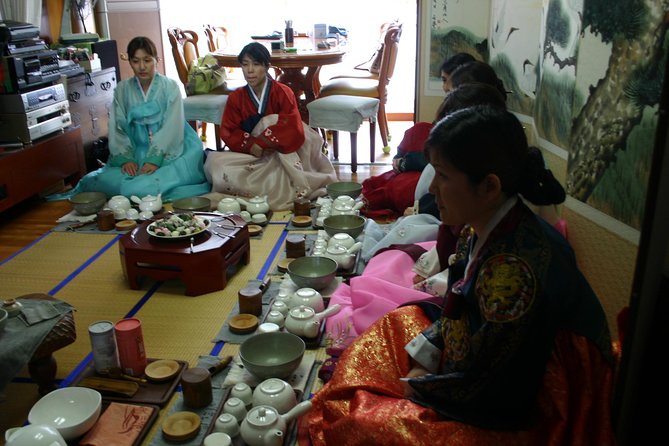
The itinerary lists Insadong as the second main stop. This neighborhood is associated with traditional Korean arts, crafts, tea culture, and shops, making it a logical match for a day focused on heritage.
The supplied details do not specify how much free time you receive in Insadong or exactly which businesses you visit. Treat it as a cultural district visit rather than a guaranteed shopping session. If you want to buy souvenirs, ask the guide about timing and what is included before you make plans.
The return journey may include a stop at an amethyst factory or a ginseng center. The ginseng visit can add useful context about a well-known Korean product, and one version of the tour included an educational visit there. You can learn why ginseng is important in Korean health and food culture.
The commercial nature of this stop is worth noting. A factory or retail center is not the same as a palace or neighborhood walk, and you may feel that the stop is aimed partly at shopping. If you dislike sales-oriented visits, this could be the least appealing section of the day. If you are curious about Korean ginseng or amethyst, it may be a worthwhile extra.
Guides and the Small-Group Feel
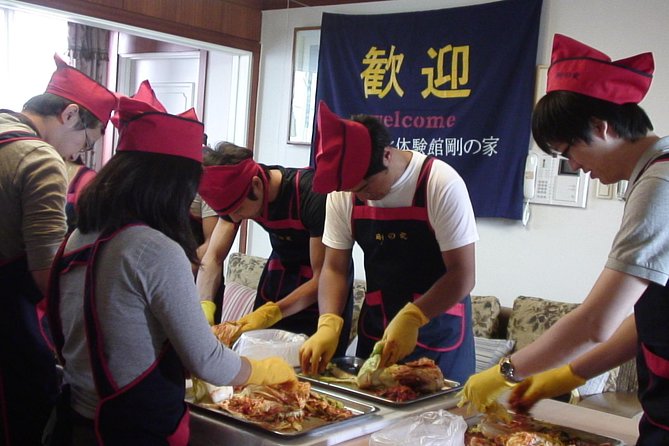
The tour allows a maximum of 10 participants. That is a useful limit for a clothing fitting, photo session, kimchi class, and folk game. A large coach group would make these activities slower and less personal.
The guide is central to the experience. This is not a self-guided palace visit with a short cooking demonstration attached. Your guide explains customs, helps with questions, manages transfers, and may take photographs.
Several guide names have been connected with this tour, including Jay, Alice, Eva, Lady K, Grace, and Mi So. Their styles can differ, but the useful pattern is clear: the guide can shape the day. One guide adjusted the experience around what the group wanted to see, while another offered recommendations about dining, skincare, and shopping in Seoul.
The official guiding languages are English or Chinese. Confirm your preferred language when booking, especially if the cultural explanations are a major reason you are choosing this tour.
Hotel pickup is included in Seoul, and the scheduled start time is 9:30 a.m. Exact pickup details depend on your hotel, so give yourself time to be ready before the stated start. Round-trip transport is a real advantage if you are unfamiliar with Seoul’s transit system or traveling with children.
The tour is also near public transportation, which gives you another option if you need to reach a meeting area or continue exploring afterward.
Who Will Get the Most from the $99 Price
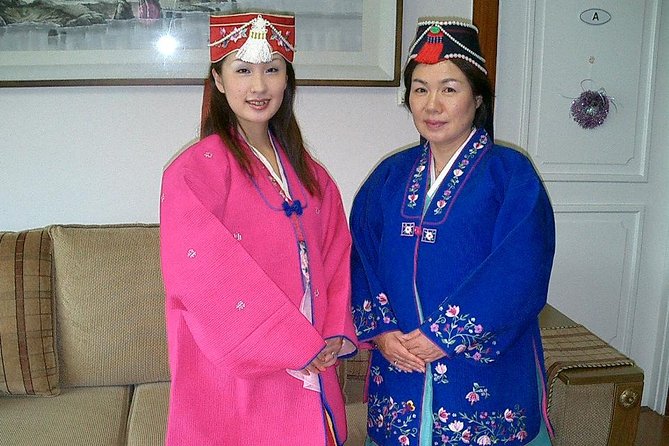
I would recommend this tour to first-time visitors, families, couples, and anyone who wants photos tied to Korean culture. It works particularly well if you have limited time and want to combine a palace, food tradition, clothing, manners, and a folk game in one outing.
It is also a good choice if you are nervous about planning Seoul on your own. Pickup, a guide, and a small group remove much of the day’s practical work.
The price is fair when you count the included transport and instruction. You would otherwise need to arrange a palace visit, find a hanbok rental, locate a kimchi class, and organize transport between them. The tour handles those connections.
I would hesitate if your main goal is a serious cooking lesson. Thirty minutes is enough for an introduction, but not enough for extended kitchen practice. I would also hesitate if you want a full day devoted to palace architecture, since the palace is only one part of a busy cultural schedule.
The same is true for independent shoppers. Insadong is included, but the exact shopping time is not specified, and the ginseng or amethyst stop may not suit your interests.
You can cancel for a full refund if you do so at least 24 hours before the 9:30 a.m. start time. Changes or cancellations inside that window are not accepted, so keep the local cutoff time in mind.
Should You Book This Seoul Cultural Tour?
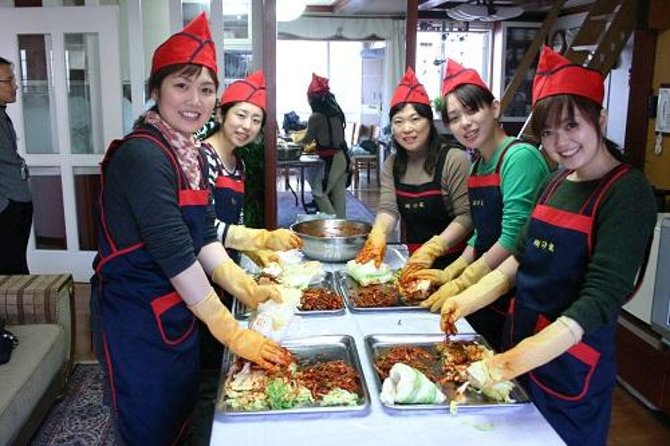
Book it if you want an active introduction to Korean culture rather than a standard palace walk. Kimchi making and hanbok photos are the strongest features, while Yut-Nori, tea, and etiquette add variety without requiring prior knowledge.
The tour is especially good for families and couples who want shared activities and plenty of photographs. The small group and hotel transport add practical value to the $99 cost.
Skip it if you want a slow, independent day, a substantial cooking class, or no commercial stop. For most first-time visitors, though, this is a well-packed way to understand Seoul through food, clothing, play, and royal tradition.
FAQ
How long does the Seoul cultural tour last?
The advertised duration is approximately 6 hours and 30 minutes. The cultural activities themselves are also described as a 3.5-hour experience, with palace visits, transport, and additional stops making up the longer day.
What time does the tour start?
The scheduled start time is 9:30 a.m. Hotel pickup is offered in Seoul.
Is hotel transportation included?
Yes. Round-trip hotel transport in Seoul is included.
What languages are available for the guide?
Professional guiding is available in English or Chinese.
Is lunch included?
No. Lunch is not included in the tour price.
How many people can join the tour?
The activity has a maximum group size of 10 participants.
What do you do during the kimchi class?
You attend a 30-minute kimchi-making class, learn about the dish’s history and tradition, and discover how kimchi is used in Korean cooking.
Can I cancel for a refund?
Yes. You can receive a full refund if you cancel at least 24 hours before the experience start time. Cancellations or changes made less than 24 hours before the start are not accepted.
Recently added around Seoul
- Nami & Maple Road & Theatre des Lumieres Day Tour from Seoul★ 4.8 · 4 reviews
- Gyeongbokgung Palace Photo Session with your own phone★ 5.0 · 4 reviews
- Private Tour around Suwon UNESCO Fortress and Korea Folks Village★ 4.5 · 4 reviews
- Seoul: Deoksugung Palace Night Tour★ 4.5 · 4 reviews
- N Seoul Tower + Namsan Cable Car Ticket (Collect in Myeongdong)★ 3.5 · 4 reviews
- Jisan Forest Resort: Ski Full-Day Tour or Shuttle from Seoul★ 5.0 · 4 reviews
- Seoul Private Walking Tour with a Local★ 5.0 · 4 reviews
- Private Jeonju Hanok Village – Culinary tour★ 5.0 · 4 reviews
Hanbok Rental, compared.
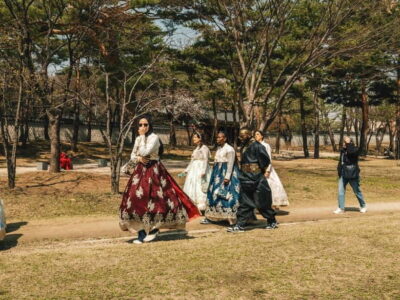
Seoul Half-Day City Highlight, Palace Tour with Hanbok
Read the review →

Small Group Seoul Highlight Tour opt. Hanbok & Tea Ceremony
Read the review →
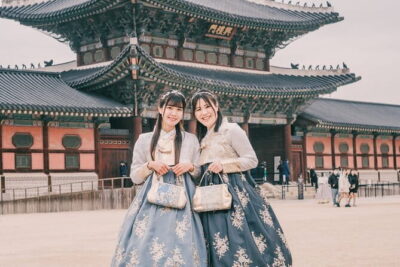
Hanbok Photoshoot and History Tour at Gyeongbokgung Palace
Read the review →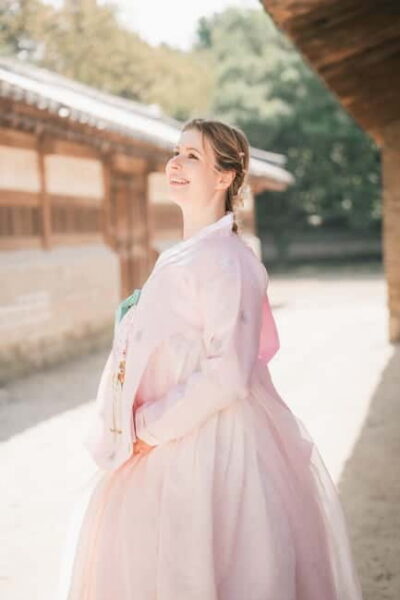
Professional Hanbok Photography at Gyeongbok Palace
Read the review →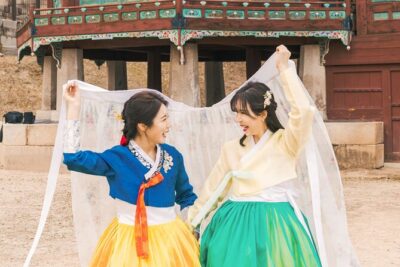
Gyeongbokgung Palace Hanbok Rental Experience in Seoul
Read the review →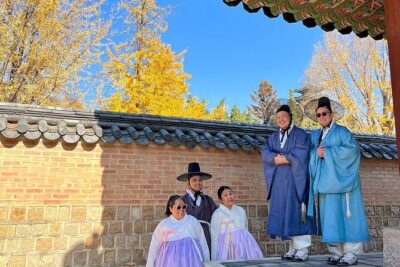
Seoul City Full Day Tour – Changdeok Palace (wearing Hanbok)
Read the review →Browse the lists this tour appears in